
Ptosis
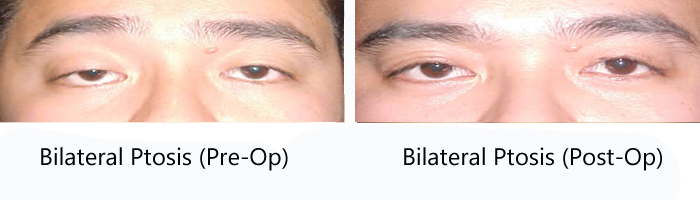
Ptosis or also known as drooping eyelid is a condition that affects the upper eyelid. The appearance of this eye condition shows an abnormal position of the upper eyelid; it is much lower compared to a normal eyelid. In some cases, the affected eyelid blocks a part or the entire pupil and interferes with vision.
It can either affect one or both eyes. The muscle in charge of raising the upper eyelid may be caused by a muscle defect or a loose skin. It is a common condition, especially when people age because the muscle starts to deteriorate. The following are few of the common causes of ptosis: congenital (inborn), iatrogenic (negative effect from medical treatment), diabetes, stroke, myasthenia gravis, Horner syndrome, excessive wear of contact lenses, brain tumor or other type of cancer that have an effect on muscle responses and many more.
Symptoms of Ptosis
Common signs and symptoms of ptosis are:
Drooping eyelid or blepharoptosis
Poor blinking response
Watery eyes
Obstruction to vision (in severe cases).
Treatment and Procedure
The treatment may vary depending on the type of ptosis that the patient have. Patients with congenital and Aponeurotic ptosis with severe symptoms are required to undergo corrective surgery. The surgery will improve the appearance of the eyes as well as correct the vision due to interference. However, ptosis caused by a disease will only get better if the disease is treated effectively.
The procedure is normally handled by an eyelid specialist or an oculoplastic surgeon and an ophthamolic plastic. Surgical procedures include Müller muscle resection, Levator resection and Frontalis sling operation.
There are also nonsurgical treatments that will help support the eyelid such as special Scleral contact lenses or crutch glasses.
Prevention
Regular visits to your ophthalmologist for eye examination will prevent or help treat the development of ptosis.

Learn more by clicking on the links below.
